Feeding a baby on a busy day can feel like one more thing on an already full plate. The good news is that simple meals are often the best ones, and you do not need fancy recipes or hours in the kitchen to give your little one something warm, soft, and satisfying.
This is a gentle collection of low-prep meal ideas for babies around six months and up, plus young toddlers. The goal is to keep things easy for you and calm for your child, so mealtime feels less like a chore and more like a small, happy moment in your day.
Keep it simple, keep it soft
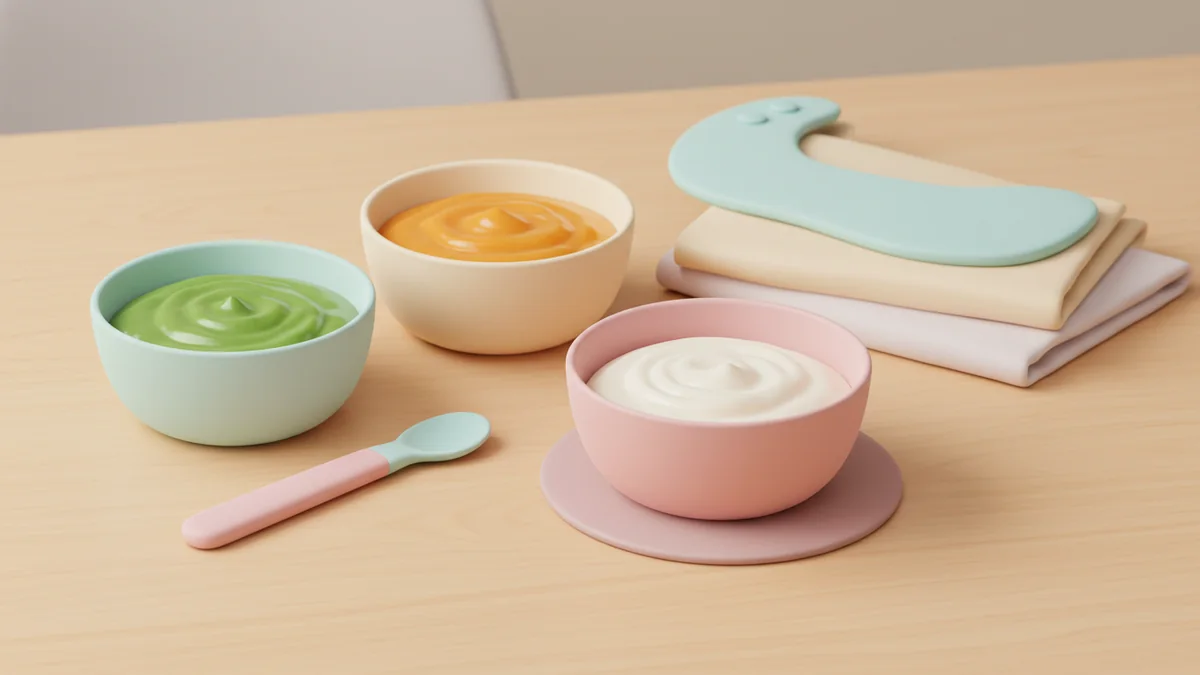
When you are tired, the simplest food is usually the friendliest. Soft, easy-to-mash textures are gentle for little mouths and quick for you to put together. Think foods that squish easily between your fingers: well-cooked vegetables, soft fruit, mashed beans, or oats stirred until creamy.
You do not need a separate "baby menu." Much of what your family already eats can be softened, mashed, or cut small to share. Cooking once and adapting a small portion for your baby saves time and helps your child feel part of the meal.
Always follow your pediatrician's guidance on when and how to introduce new foods, since every baby is ready at their own time.
Easy combos to keep on hand
Having a few go-to pairings in mind makes busy days smoother. Here are some gentle, low-effort ideas you can mix and match.
Creamy oats with soft fruit
Stir plain oats with water or milk until soft and creamy, then mash in a little ripe banana or soft pear. Warm, smooth, and forgiving, this is a comforting starter for many mornings.
Parent tip: Make a slightly bigger batch of plain oats and keep a portion in the fridge to warm and top the next day.
Why it helps: Soft, familiar textures are easy to explore and require almost no prep on a rushed morning.
Mashed veggies and beans
Steam or boil soft vegetables like sweet potato, carrot, or zucchini, then mash with a little well-cooked, soft bean for a hearty, scoopable meal. Add a splash of cooking water to loosen the texture.
Parent tip: Cook extra veggies and freeze small portions in an ice-cube tray for fast future meals.
Why it helps: Mixing colors and textures keeps meals interesting while staying gentle and simple.
Soft finger foods to explore
Offer soft, graspable pieces your child can pick up, such as well-cooked vegetable sticks or ripe fruit cut into easy-to-hold shapes. Let your baby touch, squish, and taste at their own pace.
Parent tip: Stay close and seated together while your child explores finger foods, so the moment stays calm and shared.
Why it helps: Self-feeding builds confidence and curiosity, and it gives you a moment to sit down too.
Offer variety with colors and textures
Babies are natural explorers, and food is one of the most fun things for them to discover. You do not need a long list of ingredients to add variety. A plate with a soft orange vegetable, a green one, and a pale grain already gives your child a colorful, interesting experience.
Try rotating a few textures across the week: smooth and mashed some days, soft lumps or graspable pieces on others. Variety keeps mealtime engaging, and it is completely normal for your child to love a food one day and turn away from it the next.
- Pair a soft grain with a mashed vegetable for an easy base.
- Add a spot of color with ripe, soft fruit on the side.
- Mix smooth and slightly textured foods so your child meets new feels.
- Keep portions small and refill if your child wants more.
Make mealtime calm and unpressured
How a meal feels often matters as much as what is on the plate. When you stay relaxed, your child is more likely to feel relaxed too. There is no need to coax, cheer, or worry about a clean bowl. Some days little ones eat plenty, and other days they barely taste a thing, and both are okay.
Let your baby set the pace. If they turn their head, close their mouth, or push food away, that is their way of saying they are done for now. Following those cues helps your child learn to trust their own hunger and keeps the table a pleasant place to be.
Every child is different, and appetites naturally rise and fall. If you ever have concerns about your child's eating, your pediatrician is the best person to ask.
Let your baby explore food
Mess is part of the process. When your baby smears, drops, and squishes their food, they are learning about texture, temperature, and how to feed themselves. Putting a mat under the high chair and a bib on your child can make the cleanup feel less daunting, so you can relax and let them explore.
Eating together, even for a few minutes, also helps. When your child sees you enjoying similar soft foods, mealtime becomes a shared, friendly habit rather than a task to complete.
You are doing better than you think
On the busiest days, a soft bowl of mashed veggies and a calm few minutes together is more than enough. You do not have to be a chef to nourish your child. By keeping meals simple, offering gentle variety, and staying relaxed at the table, you are giving your baby exactly what they need: warm food and your steady, loving company.
This article is for general parenting support only and is not medical advice.